
Understanding zeta potential is crucial in various industries, influencing colloidal stability, dispersion, and interaction phenomena.
This article delves into the significance of zeta potential Zetasizer, exploring measurement techniques, key influencing factors, and the implications of zeta potential results.
By grasping the intricacies of zeta potential analysis, professionals can enhance their understanding of particle behavior and optimize processes in fields such as pharmaceuticals, cosmetics, and material science.

Key Takeaways
- Zeta potential is crucial for understanding colloidal system behavior and predicting stability and behavior of dispersions.
- Techniques for measuring zeta potential include electrophoretic light scattering Lab Alliance, laser Doppler velocimetry, and phase analysis light scattering, each with specific advantages and limitations.
- Factors affecting zeta potential include pH, ionic strength, temperature, composition of colloidal particles, and presence of adsorbed ions or molecules.
- Interpreting zeta potential results involves analyzing data considering pH, ionic strength, temperature, and particle composition to predict system stability and process efficiency.
Importance of Zeta Potential
Understanding the importance of zeta potential is crucial for elucidating the behavior of colloidal systems.
Zeta potential, a measure of the electric charge surrounding colloidal particles, influences particle stability, dispersion, and interactions. It provides valuable insights into the repulsive or attractive forces between particles, affecting the system’s overall stability and tendency to aggregate.
By measuring zeta potential, researchers can predict and control the stability and behavior of colloidal dispersions, which is essential in various industries such as pharmaceuticals, cosmetics, and food.
Additionally, zeta potential plays a vital role in optimizing processes like flocculation, sedimentation, and filtration in wastewater treatment and environmental remediation.
Techniques for Zeta Potential Measurement
Measuring zeta potential involves employing various techniques to determine the electric charge surrounding colloidal particles. Common methods include electrophoretic light scattering, laser Doppler velocimetry, and phase analysis light scattering.
Electrophoretic light scattering measures the velocity of particles in an electric field, allowing for zeta potential calculation.
Laser Doppler velocimetry analyzes the frequency shift of scattered light to determine particle velocity and zeta potential.
Phase analysis light scattering evaluates the phase shift of the scattered light to calculate zeta potential.
Each technique has its advantages and limitations, with factors such as sample composition and conductivity affecting the choice of method. Understanding these techniques is crucial for accurate zeta potential measurements and the interpretation of colloidal stability and interactions.
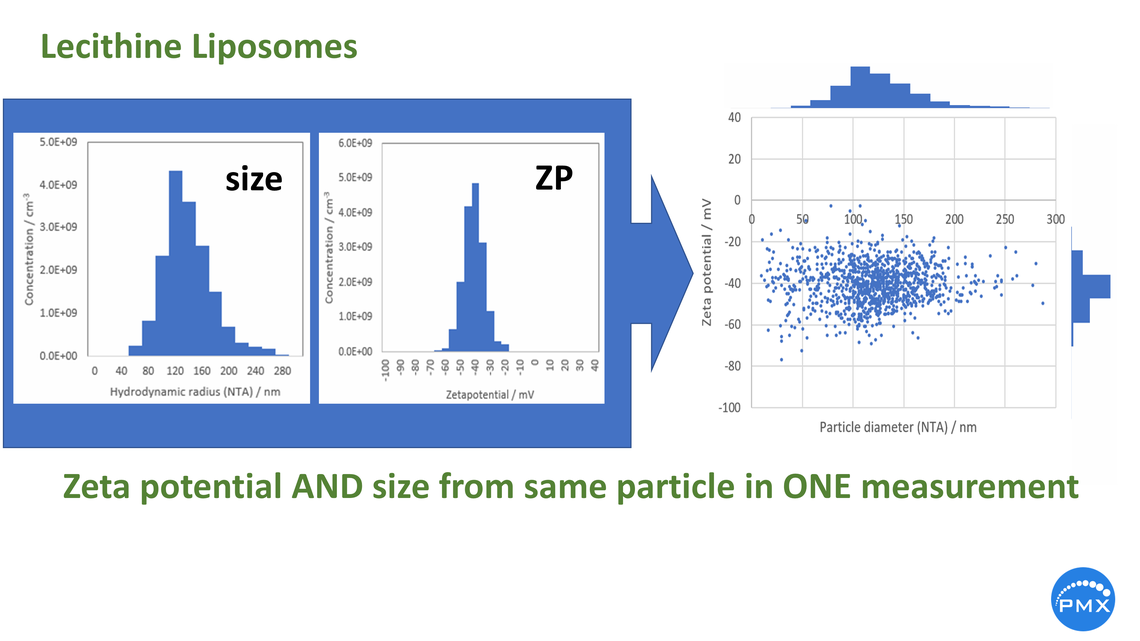
Factors Affecting Zeta Potential
The determination of zeta potential is influenced by several factors that play a significant role in characterizing the electric charge surrounding colloidal particles. The pH of the solution is a crucial factor affecting zeta potential as it can alter the surface charge of the particles.
Ionic strength, which relates to the concentration of electrolytes in the solution, also impacts zeta potential by influencing the double layer surrounding the particles.
Temperature plays a role as well, affecting the viscosity of the liquid medium and therefore the zeta potential measurement.
Additionally, the composition of the colloidal particles and the presence of any adsorbed ions or molecules on their surface can influence zeta potential measurements, making it essential to consider these factors when interpreting results.
Interpreting Zeta Potential Results
Interpretation of zeta potential results involves analyzing the data obtained from measuring the electric charge surrounding colloidal particles. Factors such as pH, ionic strength, temperature, and particle composition play a crucial role in determining zeta potential values. A high zeta potential value indicates a strong repulsive force between particles, which suggests better stability and dispersion. Conversely, a low zeta potential may lead to particle aggregation or flocculation.
Understanding the zeta potential can help predict the stability of colloidal systems, the efficiency of processes like filtration or sedimentation, and the effectiveness of formulations in various industries. By interpreting zeta potential results accurately, researchers can optimize product performance, enhance quality control processes, and develop innovative solutions tailored to specific needs. This ensures efficient and successful outcomes.
Applications of Zeta Potential Analysis
Utilizing zeta potential analysis in various industries provides valuable insights into colloidal system stability and process efficiency.
In the pharmaceutical sector, zeta potential measurements aid in drug delivery systems to ensure optimal dispersion and stability.
In the cosmetic industry, zeta potential analysis helps in formulating stable emulsions and ensuring product quality.
The food and beverage industry benefits from zeta potential analysis by optimizing the stability of suspensions and controlling the texture of products.
In wastewater treatment, zeta potential measurements assist in understanding floc formation and improving the efficiency of the treatment process.
Conclusion
In conclusion, understanding and interpreting zeta potential is crucial in various industries such as pharmaceuticals, food and beverage, and cosmetics. By measuring zeta potential, researchers can gain valuable insights into the stability and behavior of colloidal systems.
Factors such as pH, ionic strength, and temperature play a significant role in determining zeta potential values. By applying zeta potential analysis, researchers can optimize formulations and improve product performance.


