In the realm of construction, material testing stands as a vital cornerstone that underpins the integrity and longevity of structures universal testing machine. The significance of evaluating the properties and characteristics of construction materials goes beyond mere procedural protocol; it serves as an essential safeguard against potential hazards lurking within the framework of a project. By delving into the nuances of material testing, a clearer understanding emerges, shedding light on how this fundamental practice can make or break the very foundation of what we build.
Ensuring Structural Stability
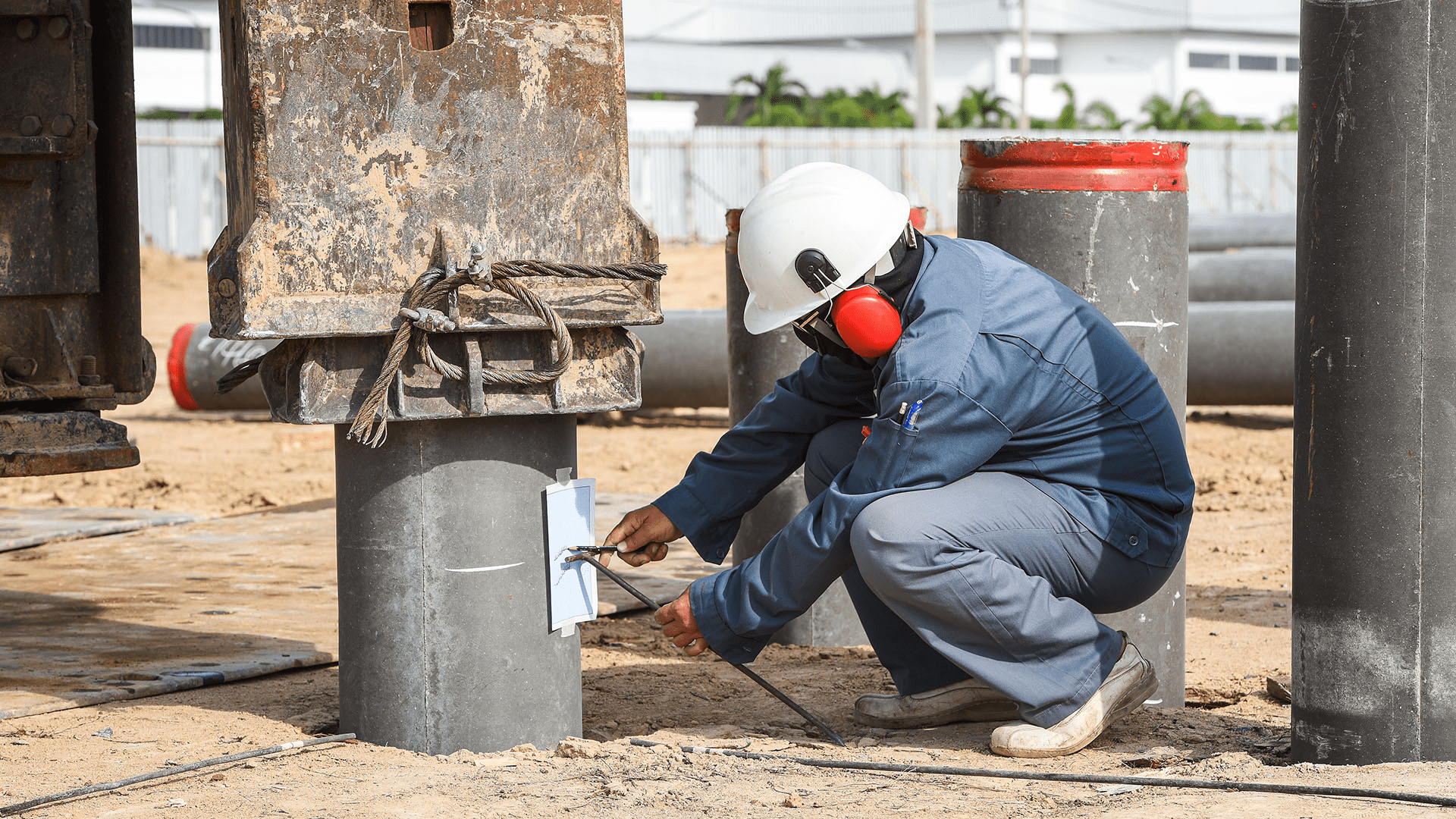
Material testing in construction plays a crucial role in ensuring the structural stability of buildings and infrastructure projects. By subjecting construction materials to rigorous testing procedures, engineers can assess their strength, durability, and overall quality.
One key aspect of material testing is analyzing the compressive strength of concrete, which is vital for determining its load-bearing capacity. Additionally universal material testing machine, testing the tensile strength of materials like steel helps evaluate their ability to withstand tension forces, crucial in ensuring the integrity of structural elements such as beams and columns.
Moreover, material testing uncovers potential weaknesses or defects in construction materials that could compromise the safety and longevity of a building or infrastructure project. Through non-destructive testing methods like ultrasound and thermal imaging, engineers can detect hidden flaws without causing damage to the structure.
Ultimately, the data obtained from material testing informs design decisions, construction practices, and maintenance plans, contributing significantly to the overall safety and reliability of construction projects.
Compliance With Industry Standards
The compliance with industry standards is a critical aspect of material testing in construction projects. Adhering to established industry standards ensures that materials used meet the required quality and performance criteria.
It also verifies regulatory compliance, ensuring that the construction processes align with legal requirements and safety regulations.
Industry Standards Adherence
Adhering to industry standards is essential in ensuring the quality and safety of construction materials and processes. These standards are developed by consensus among industry professionals, regulatory bodies, and experts to establish guidelines that promote reliability, durability, and performance of construction materials.
By complying with industry standards, construction companies can minimize risks, ensure structural integrity, and meet customer expectations. Adherence to these standards also helps in fostering trust and accountability within the construction industry, leading to better overall project outcomes.
Moreover, following industry standards enables construction companies to stay competitive, enhance efficiency, and mitigate legal issues. Overall, strict adherence to industry standards is crucial for maintaining quality, safety, and compliance in construction projects.
Regulatory Compliance Verification
Verification of regulatory compliance with industry standards is a critical aspect of ensuring the quality and safety of construction materials and processes. Adhering to industry standards is essential for meeting legal requirements, ensuring structural integrity, and safeguarding the well-being of workers and the public.
Compliance verification involves meticulous testing, inspection, and documentation to confirm that materials meet the specified standards set forth by regulatory bodies. This process helps mitigate risks associated with substandard materials, construction defects, and potential hazards on construction sites.
Identifying Weaknesses Early
In construction projects, early identification of weaknesses through material testing is crucial for ensuring structural integrity and safety. By subjecting materials to various tests such as compression tests, tensile tests, and shear tests, potential weaknesses can be detected before they compromise the overall stability of a structure. For instance, concrete samples can be tested for their compressive strength to ensure they meet the required standards for bearing loads. Similarly, steel samples can undergo tensile testing to verify their strength and elasticity.
Identifying weaknesses early allows for proactive measures to be taken, such as reinforcing materials or adjusting design plans to account for any deficiencies. This early detection not only prevents costly rework later in the construction process but also minimizes the risk of structural failures that could endanger workers and occupants. Through thorough material testing and diligent analysis of results, construction professionals can proactively address weaknesses, ultimately leading to safer and more durable structures.
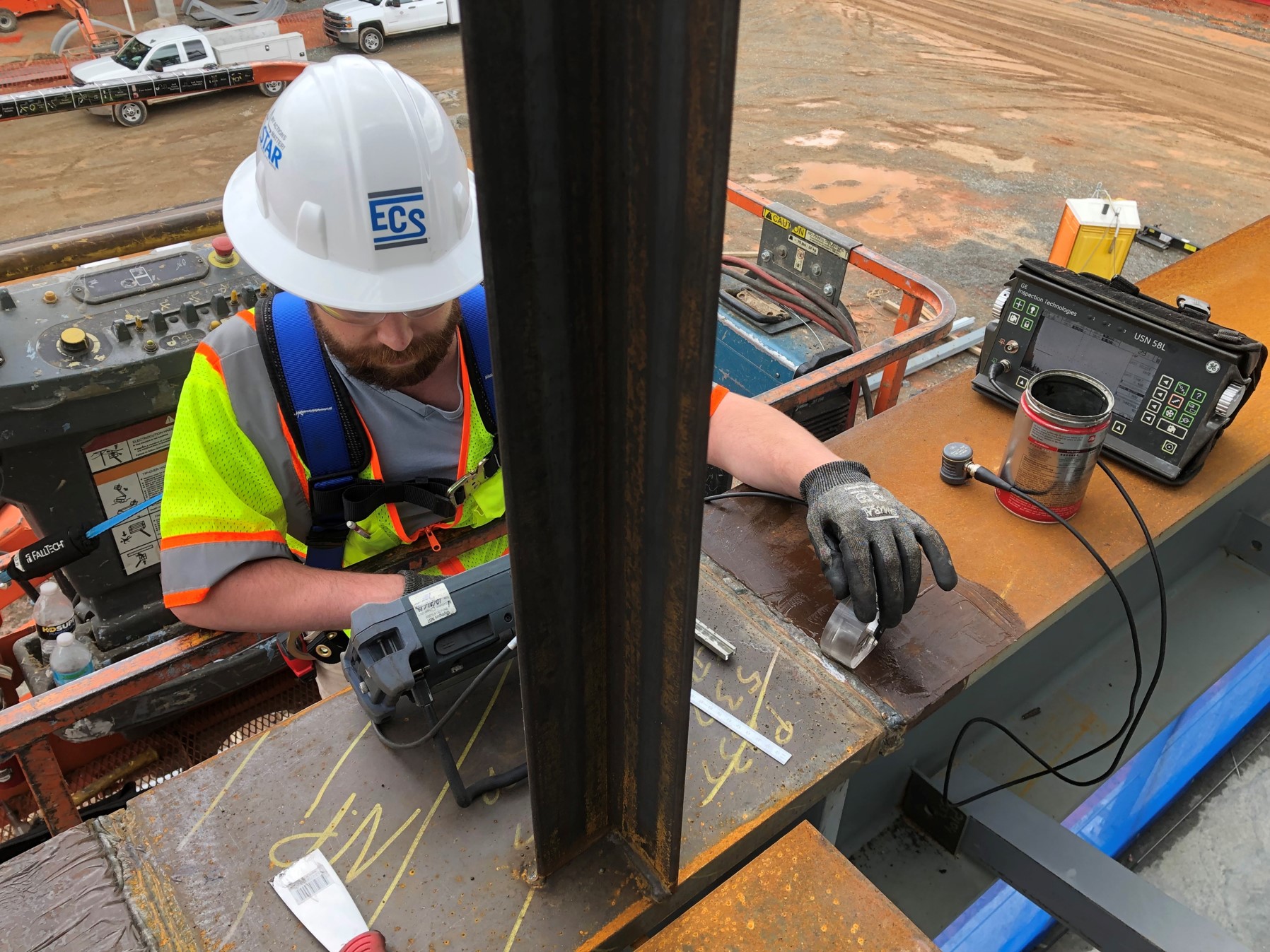
To optimize material performance in construction, various validation methods such as stress testing and non-destructive testing can be employed.
Additionally, implementing durability improvement techniques like surface coatings, reinforcement additives, and proper curing methods can significantly enhance material longevity and strength.
A critical aspect of ensuring optimal material performance in construction projects involves utilizing rigorous performance validation methods. These methods typically involve a series of tests and evaluations to assess the material’s behavior under various conditions. Performance validation methods help in determining the material’s strength, durability, and overall suitability for the intended application.
Common tests include compression tests, tensile tests, impact tests, and fatigue tests, among others. Through these evaluations, engineers can gain valuable insights into how the material will perform in real-world scenarios, allowing for adjustments to be made if necessary.
Durability Improvement Techniques
Utilizing advanced surface coating technologies can significantly enhance the durability and overall performance of construction materials. Techniques such as polymer-modified concrete, anti-corrosion coatings, and nano-coatings offer solutions to improve the longevity of structures.
Polymer-modified concrete increases resistance to chemical attacks and abrasion, extending the lifespan of structures exposed to harsh environments. Anti-corrosion coatings act as a protective barrier, preventing oxidation and rust formation on metal surfaces, crucial for infrastructure durability. Nano-coatings provide a thin, strong layer that enhances material strength and repels water and contaminants, reducing deterioration.
These techniques not only prolong the life of construction materials but also decrease maintenance costs and increase structural reliability, making them invaluable in the construction industry.
Mitigating Potential Risks
Effective risk mitigation strategies are crucial in ensuring the successful execution of construction projects. One key aspect of mitigating potential risks in construction is conducting thorough material testing. By testing materials before use, construction teams can identify any weaknesses or inconsistencies that could pose a risk to the project’s integrity.
Additionally, implementing quality control measures throughout the construction process can help detect and address issues early on, reducing the likelihood of costly delays or failures.
Another important risk mitigation strategy is to work closely with suppliers to ensure the quality and reliability of materials. Establishing clear communication channels and setting quality standards can help prevent misunderstandings and ensure that only approved materials are used in the project.
Moreover, having contingency plans in place for potential risks such as adverse weather conditions, supply chain disruptions, or design changes is essential for maintaining project timelines and budgets.
Improving Longevity of Structures
Ensuring the longevity of structures in construction projects requires meticulous attention to material selection and maintenance practices. Material selection plays a critical role in determining the lifespan of a structure. Choosing high-quality materials that are durable and resistant to environmental factors such as corrosion, moisture, and temperature fluctuations is essential for long-term structural integrity.
Additionally, regular maintenance and inspections are crucial for identifying and addressing any issues promptly before they escalate and compromise the stability of the building.
Incorporating design features that enhance the structural strength and durability of the building, such as proper drainage systems to prevent water damage, using corrosion-resistant coatings, and ensuring adequate ventilation to reduce moisture buildup, can significantly improve the longevity of structures.
Implementing proactive maintenance schedules, conducting regular inspections, and addressing any signs of wear and tear promptly are key practices to extend the lifespan of buildings. By prioritizing material quality, design considerations, and maintenance strategies, construction professionals can enhance the longevity of structures and ensure they stand the test of time.
Cost-Effective Construction Practices
Cost-effective construction practices play a crucial role in the successful execution of building projects. Efficient budget allocation ensures that resources are utilized optimally, leading to cost savings.
Efficient Budget Allocation
How can construction projects optimize their financial resources to achieve maximum efficiency without compromising quality and safety?
Efficient budget allocation is crucial in ensuring cost-effective construction practices. By conducting thorough cost estimations and analyses, project managers can allocate funds strategically, focusing on critical areas that require investment while avoiding unnecessary expenses.
Implementing value engineering techniques can also help in streamlining costs without sacrificing quality, by identifying alternative materials or methods that offer the same performance at a lower cost.
Moreover, leveraging technology for project management and cost tracking can provide real-time insights into budget utilization, enabling timely adjustments to prevent cost overruns.
Ultimately, efficient budget allocation demands meticulous planning, continuous monitoring, and a proactive approach to cost management in construction projects.
Prevents Costly Mistakes
Efficient budget allocation in construction projects is intricately linked to preventing costly mistakes, thereby emphasizing the importance of maintaining a focus on cost-effective construction practices.
By conducting thorough material testing, potential risks such as structural failures, safety hazards, and project delays can be significantly reduced. Material testing helps identify weaknesses in construction materials early on, allowing for necessary adjustments to be made before the actual construction begins. This proactive approach not only prevents costly errors but also ensures that the project stays within budget and on schedule.
Additionally, accurate material testing provides valuable data that enables construction teams to make informed decisions regarding material selection and usage, further optimizing costs and enhancing overall project efficiency.
Enhances Project Sustainability
Enhancing project sustainability in construction can be achieved through the implementation of cost-effective practices that prioritize long-term environmental and economic benefits.
By utilizing sustainable materials, optimizing energy efficiency, and reducing waste generation, construction projects can lower their environmental impact while also cutting down on long-term operational costs.
Incorporating sustainable construction practices such as using recycled materials, implementing efficient design strategies, and adopting renewable energy sources can significantly enhance the overall sustainability of a project.
Moreover, considering life-cycle costs and investing in durable materials can lead to reduced maintenance expenses over the project’s lifespan.
Ultimately, prioritizing cost-effective sustainability practices not only benefits the environment but also contributes to the long-term economic viability of construction projects.
Optimal Project Delivery
For successful construction projects, achieving optimal project delivery is crucial for meeting deadlines and maintaining budgetary constraints. Optimal project delivery involves efficient planning, coordination, and execution of all construction phases. By carefully scheduling tasks, allocating resources effectively, and closely monitoring progress, project managers can ensure that timelines are met and budgets are adhered to.
One key aspect of optimal project delivery is the use of advanced project management tools and techniques. Implementing tools such as Building Information Modeling (BIM) and Critical Path Method (CPM) can help streamline processes, identify potential bottlenecks, and improve overall project efficiency. Additionally, fostering clear communication channels among all stakeholders, including architects, engineers, contractors, and clients, is essential for ensuring that everyone is aligned with project goals and timelines.
Moreover, adopting a proactive approach to risk management is vital for mitigating potential delays and cost overruns. By conducting thorough risk assessments, developing contingency plans, and addressing issues promptly as they arise, project teams can minimize disruptions and maintain project momentum towards successful completion. Ultimately, prioritizing optimal project delivery practices is fundamental for achieving construction project success.
Sustainable Building Materials
The utilization of sustainable building materials is a critical consideration in modern construction practices, emphasizing environmental responsibility and long-term durability. Sustainable materials are those that have a reduced impact on the environment throughout their lifecycle, from production to disposal. This includes materials like reclaimed wood, bamboo, recycled steel, and low VOC paints. By incorporating sustainable materials into construction projects, builders can reduce the overall carbon footprint of the building and contribute to a healthier environment. Additionally, sustainable materials often have a longer lifespan and require less maintenance, leading to cost savings over time.
Moreover, the use of sustainable building materials can also enhance the overall quality of the indoor environment by reducing harmful emissions and improving air quality. This is particularly important for buildings where occupants spend a significant amount of time. As the construction industry continues to prioritize sustainability, the demand for innovative sustainable materials is expected to rise, driving further research and development in this field.
Ensuring Safety and Quality
In the realm of construction, the assurance of safety and quality stands as a cornerstone for project success and longevity. Ensuring safety in construction involves rigorous testing of materials to guarantee they meet industry standards and can withstand various structural demands.
Material testing plays a crucial role in identifying potential weaknesses or defects in construction materials, preventing hazards such as structural failures or collapses. Quality control through material testing also contributes to the overall durability and performance of a construction project, ensuring that it meets regulatory requirements and complies with safety protocols.
Conclusion
In conclusion, material testing in construction plays a crucial role in ensuring structural stability, compliance with industry standards, and early identification of weaknesses. By proactively addressing potential defects, enhancing material performance, and mitigating risks, construction projects can achieve optimal outcomes in a cost-effective and sustainable manner.
The use of quality building materials, coupled with rigorous testing practices, ultimately leads to safer, more durable structures that meet the highest standards of safety and quality.
…
















:max_bytes(150000):strip_icc()/best-toners-tout-bc328994ce2d4d538d3fce0c5a36881e.jpg)